.svg)

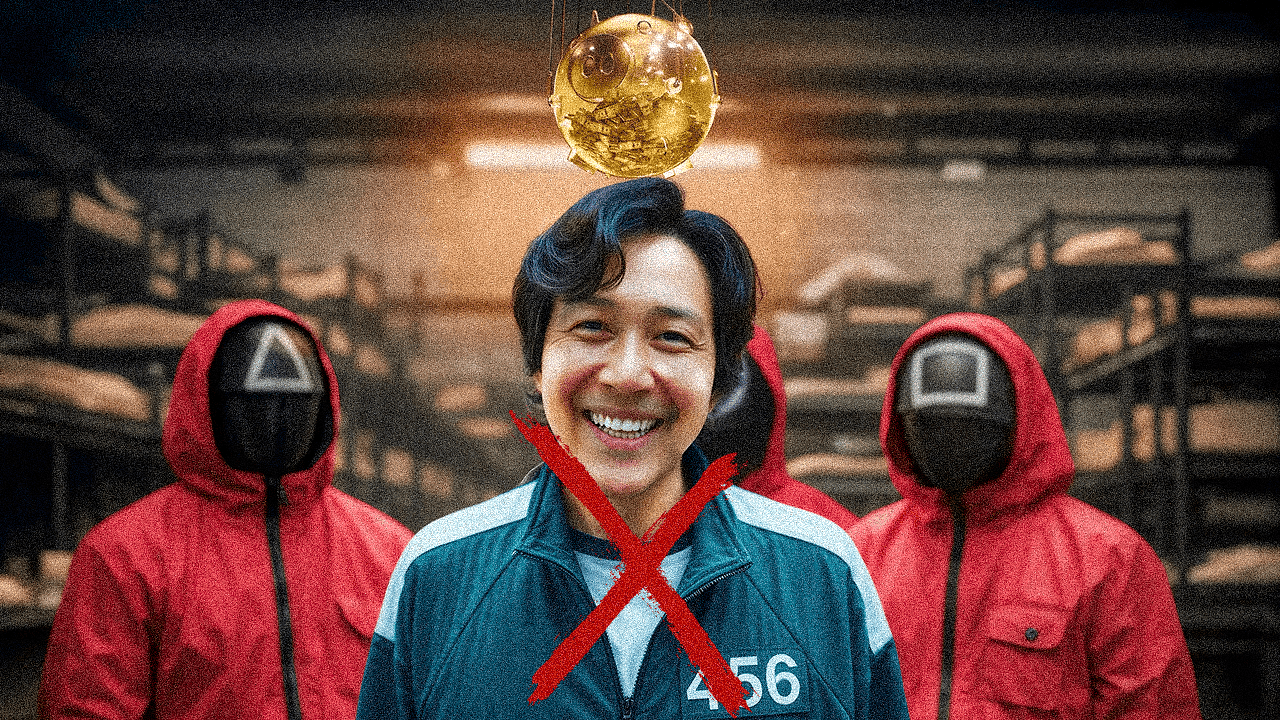
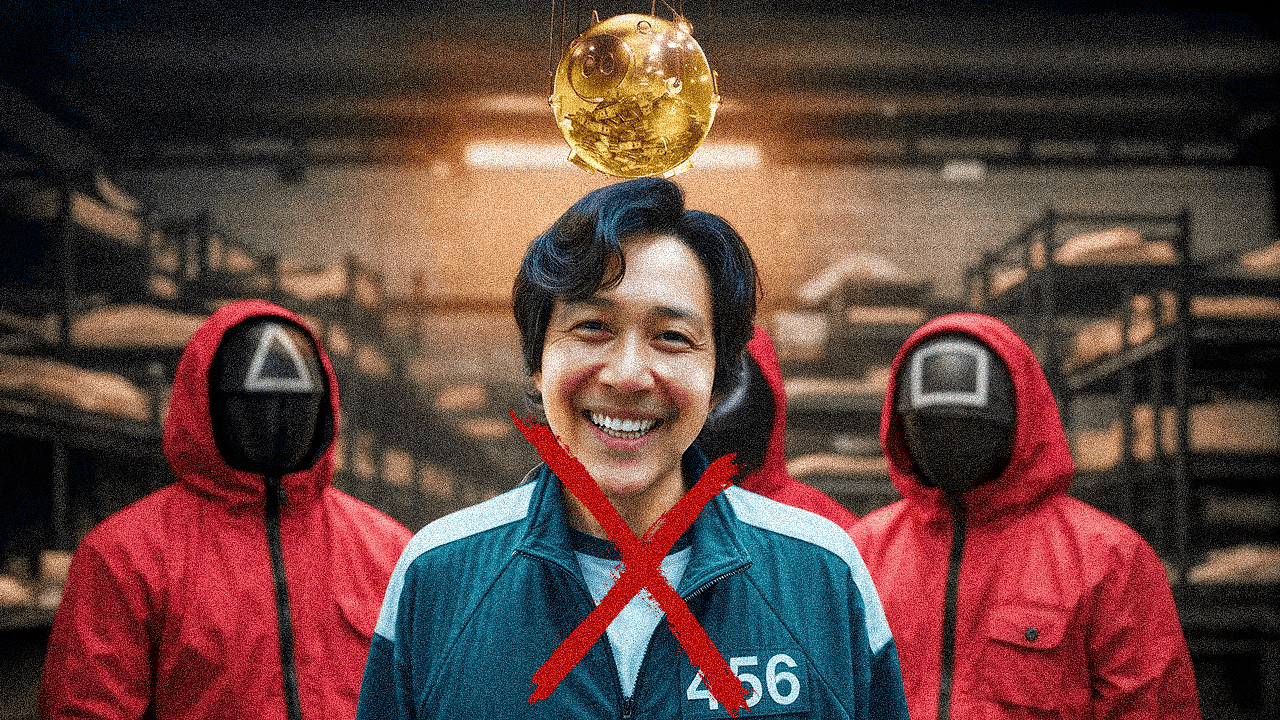
Hollywood has its miracles, but few are as unlikely as Squid Game. Before it became the most-watched show in Netflix history, its creator spent ten years being told his idea was too dark, too violent, and too unrealistic to ever succeed. What the world eventually called genius, the industry dismissed as impossible.
The story begins in 2008. A broke filmmaker named Hwang Dong-hyuk sat in a café reading comics because they were cheaper than buying books. He was living with his mother, drowning in debt, and at one point had to sell his laptop just to stay afloat. Somewhere between the pages of Battle Royale and Liar Game, he had an idea. He imagined a story that combined the games he played as a child with the crushing inequality he saw around him. It was a story about survival and about what people become when society gives them no way out.
Hwang grew up in Ssangmun-dong, a working-class district in Seoul. He watched neighbors lose their homes, parents struggle under debt, and friends pressured to succeed at all costs. Those experiences became the blueprint for Squid Game. The main character, Seong Gi-hun, reflected Hwang’s own struggles. Cho Sang-woo mirrored the pressures Hwang felt attending Seoul National University. The giant piggy bank symbolized the debt people felt trapped by. Even the childhood playground sets came straight from Hwang’s own memories.
When he finished the script, he expected studios to be excited. Instead, the rejection was brutal. Korean television at the time wanted light, family-friendly shows, not bleak survival dramas about economic injustice. Executives told him it was grotesque, too complex, and politically sensitive. For the next ten years, every major Korean studio passed. Hwang directed other films to survive, but he never stopped refining the story that everyone else thought was a mistake.
The turning point came when Netflix expanded into Asia, looking to invest in bold Korean stories that local studios had avoided. Netflix content executive Kim Minyoung read Hwang’s script and saw what others couldn’t. She saw a universal story about desperation, inequality, and the lengths people go to for hope. For the first time in ten years, Hwang heard the yes he had been waiting for. He later admitted he cried alone in his apartment.
Netflix gave him complete creative control and a twenty-one-million-dollar budget. Production began in 2020, and the pressure was intense. Hwang was so stressed during filming that he actually lost several teeth. Every set was built full scale. Every costume color carried meaning. Every frame was meticulously planned. Even the casting reflected the theme of second chances. Lee Jung-jae, who had been a leading man in Korea for years but hadn’t had a global hit in a long time, was cast as Seong Gi-hun, a role that would change his life.
When Squid Game dropped worldwide in September 2021, it exploded. The show was dubbed in sixteen languages, subtitled for global audiences, and released in every country at the same time. In just twenty-eight days, it racked up 1.65 billion viewing hours, hit number one in ninety-four countries, and added over four million new Netflix subscribers. A twenty-one-million-dollar investment generated nine hundred million dollars in value. The same studios that had rejected Hwang were suddenly trying to work with him.
The cultural impact was immediate. Halloween costumes sold out. TikTok was flooded with recreations of the games. Merch deals exploded. Netflix pledged another 2.5 billion dollars into Korean content. Squid Game was nominated for fourteen Emmys, something no non-English series had ever done.
But the real story isn’t just about success. It’s about persistence. Hwang’s decade of rejection sharpened the script, deepened the themes, and kept him connected to the people he was writing for. What seemed like setbacks became the pressure that made the story undeniable. And when Netflix finally believed in his vision, the world followed.


%20(1).jpeg)

.png)
.png)

.png)