.svg)

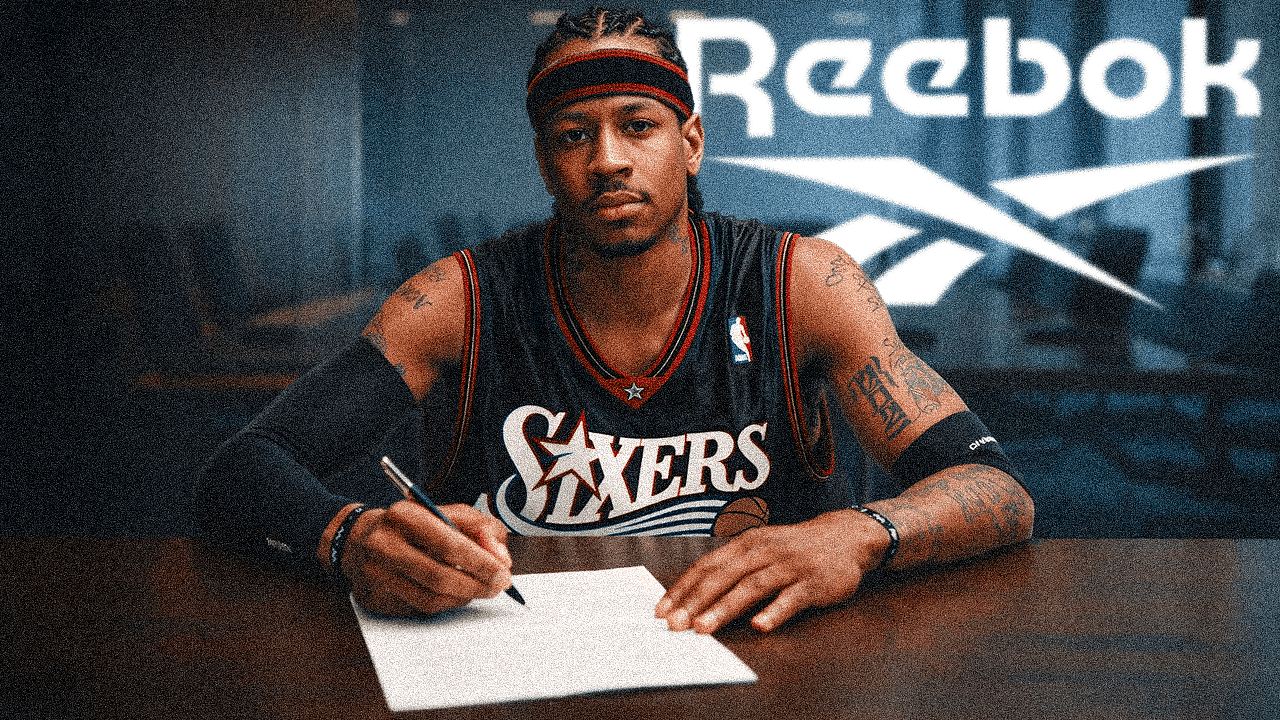
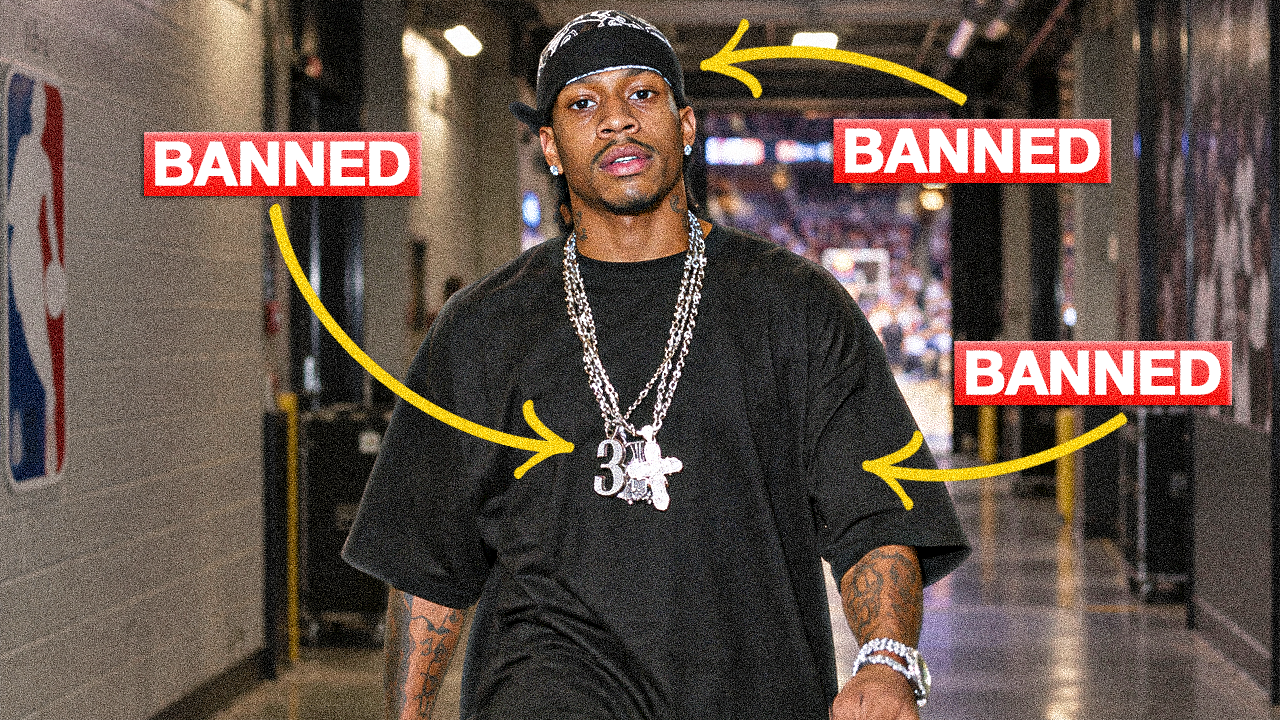
Allen Iverson made over 200 million dollars during his NBA career and still lost almost all of it. But there is one thing most people don’t know. Buried inside his sneaker contract with Reebok was a life-changing clause that ended up saving him financially for life.
Allen Iverson is one of the most influential players the NBA has ever seen. Not just because of his stats, but because of what he represented. He was an 11-time All-Star, four-time scoring champion, carried the Philadelphia 76ers to the NBA Finals in 2001, and won league MVP that same season. That 2001 run changed everything. Iverson went from superstar to cultural icon with his cornrows, tattoos, and attitude. He challenged the image of what a professional basketball player was supposed to look like and took heat for it long before the league embraced self-expression.
After that season, sneaker brands wanted to sign Allen Iverson away from Reebok, but he decided to re-sign and stay. At the time, Reebok was building their entire basketball identity around him. You know you got the Question and he is The Answer. Reebok made him a rare offer and signed him for life. The deal paid him between five and ten million dollars per year while he played, plus eight hundred thousand dollars for life after retirement.
But in his contract was a clause no one talked about. Reebok set up a thirty-two million dollar trust fund for Iverson that he could not touch until his fifty-fifth birthday. It was designed to protect him long term, whether he liked it or not, and little did he know that it would become a lifesaver.
Iverson went on to play nine more seasons in the NBA after signing that deal. Over his career, he earned close to one hundred fifty million dollars in salary and another fifty million from endorsements. But off the court, things were spiraling. Iverson was supporting an entourage of more than fifty people, many of them on payroll. Money was coming in faster than it went out, and there was little financial oversight and not much pushback. His monthly spending was extreme, with tens of thousands going to clothes, restaurants, and nightclubs. He reportedly stored large amounts of cash in trash bags because he did not trust banks.
Life after basketball hit even harder. Iverson struggled with the transition out of the league. Being a star his whole career, he resisted reduced roles late in his career, which sped up his exit from the NBA. After retirement, pressure mounted quickly. He dealt with a costly divorce, and the structure basketball had provided disappeared. By 2012, the collapse became public when Iverson filed for bankruptcy after failing to make a nine-hundred-thousand-dollar jewelry payment. The headlines made it seem like he was completely broke, but that was not the whole picture. Iverson was cash poor, not asset-less. The Reebok payments were still coming, and the trust fund remained untouched

%20(1).jpeg)
.png)
.png)
.png)