.svg)

Imagine being hated online, losing 20 million euros a day, and being mocked by your own customers, only to turn all that negativity into a billion-euro marketing machine. That was Ryanair’s reality in 2021. The airline was not just struggling, it was flatlining. Customer complaints were nonstop, media headlines tore them apart, and their CEO was publicly calling passengers who forgot to print boarding passes idiots.
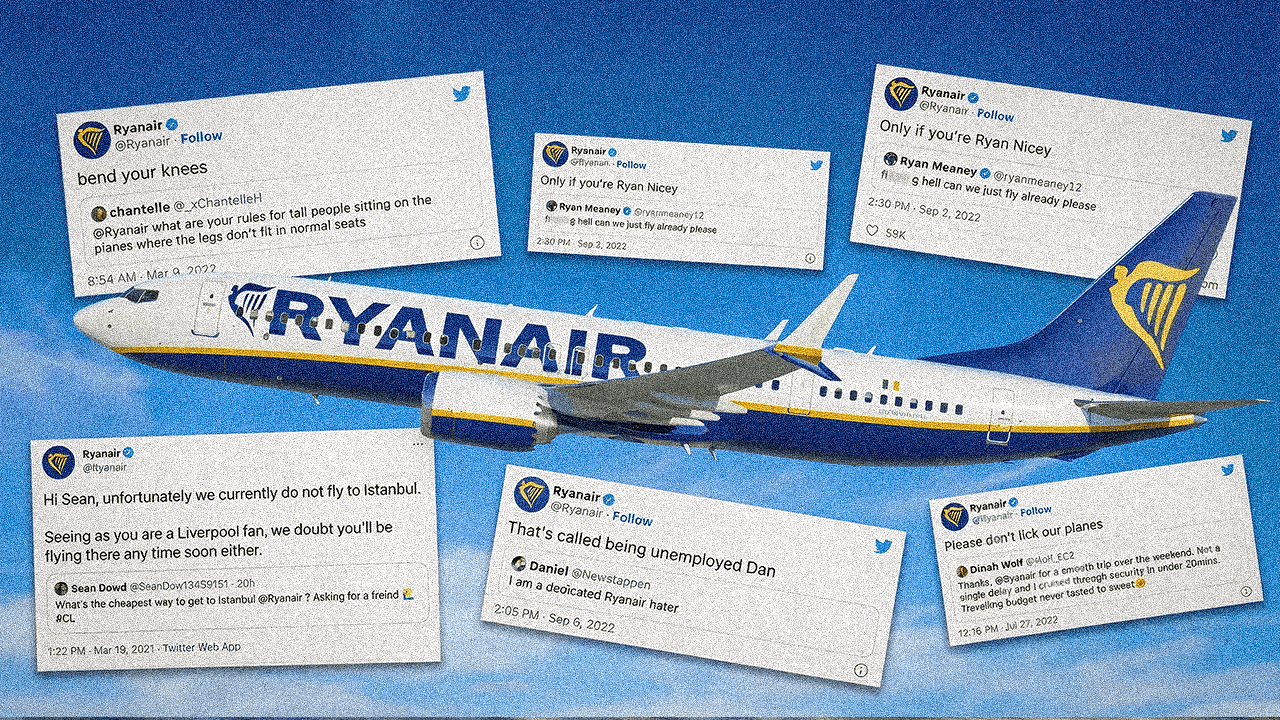
Most companies would have panicked, hired a PR team, and tried to rebrand. Ryanair did the opposite. They leaned into the chaos and became professional trolls. By the early 2020s, Ryanair was not just disliked, they were infamous. Their model focused on offering Europe’s cheapest flights, but low prices came with hidden fees for carry-ons, seat selection, and even water. Customer service was minimal and social media roasted them daily.
Instead of defending themselves, Ryanair’s small social media team asked a bold question. What if they did not fight the hate? What if they turned it into content? That question became the foundation of a strategy that flipped their entire brand. They started small with memes and sarcastic replies, eventually escalating into viral roasts, joking about complaints, legroom, and even Brexit. Their honesty and humor resonated with audiences, and engagement exploded. Within months, they had built a following of over two million across platforms.
Their approach was unconventional. Three people with no red tape ran social media, posting raw, unpolished videos, memes, and Microsoft Paint edits. This creator-style freedom allowed them to post what was funny, risky, and human. The result was that complaints dropped, bookings increased, and they captured the youngest customer base in the airline industry. They cut more than 100 million euros from traditional marketing budgets and proved that authenticity can outperform polished campaigns.
By 2023, Ryanair was not just viral, they were dominant. They had the highest passenger load factor in Europe, the strongest cost structure in the industry, and became the continent’s most valuable airline. Their chaotic strategy is now studied in business schools and marketing agencies around the world. They did not win by being the best airline. They won by being the most real, loud, messy, and hilariously honest.

%20(1).jpeg)

.png)
.png)
.png)