.svg)

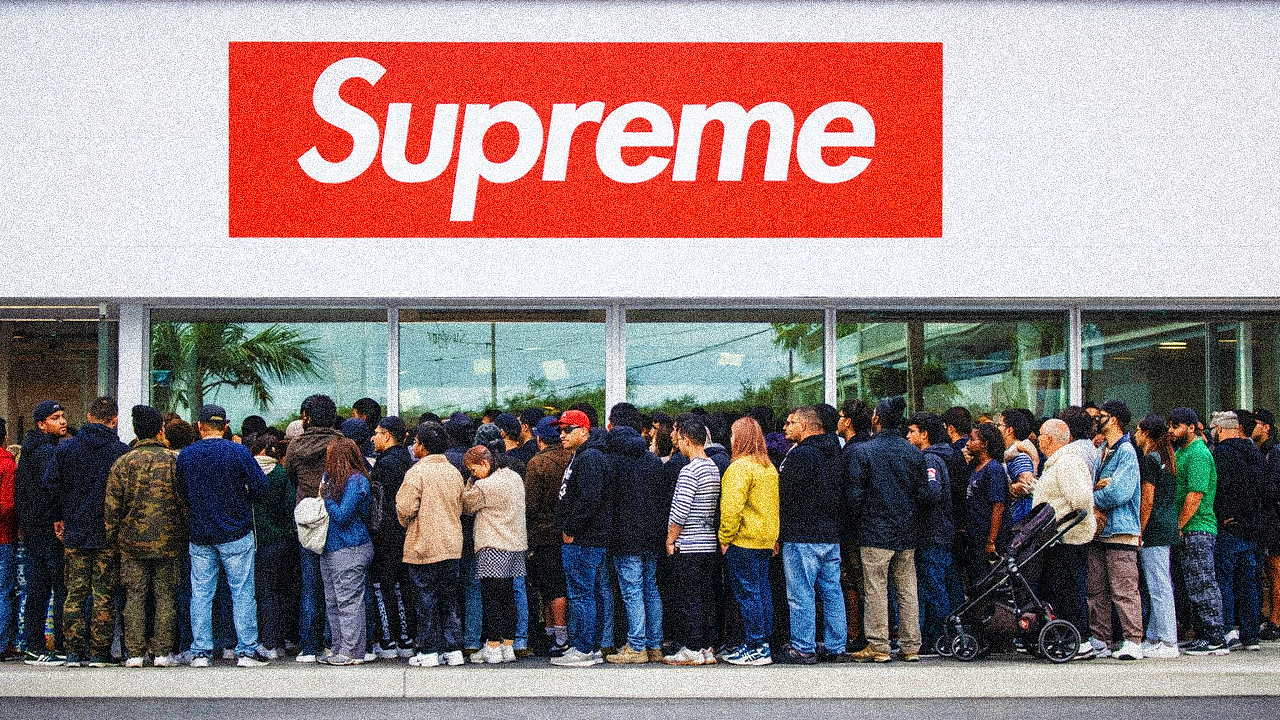
Supreme became a billion dollar brand by doing the exact opposite of what most companies are taught to do.
Grow fast. Reach everyone. Maximize distribution. Increase supply when demand spikes.
Supreme ignored all of it.
Behind the hype, the resale madness, and the iconic red box logo was a simple but dangerous strategy. It is the kind of move that can alienate customers, burn cash, and quietly destroy a young company. But when it works, it creates something far more powerful than revenue. It creates belief.
To understand Supreme, you have to go back to early 1990s New York. Streetwear, as we know it today, barely existed. Skate shops struggled to survive. High fashion ignored skaters completely. Big brands only entered once a culture was already proven and profitable.
Before launching Supreme, James Jebbia watched this cycle unfold while working retail. Day after day, he saw brands chase trends, overproduce inventory, discount it later, and eventually fade into irrelevance. Over time, he noticed something most companies miss. The people who actually decide what is cool tend to pull away the moment they feel marketed to.
So in 1994, Jebbia opened a small store on Lafayette Street and did something counterintuitive. He built a space that was designed to filter people out. The floor was wide open so skaters could ride inside. Clothes were pushed to the walls. There were no greeters, no aggressive sales tactics, and no explanation of what Supreme was supposed to be. If you walked in and felt ignored or confused, that was not a mistake. It was intentional.
In the early years, it did not look like a master plan. There were days when the store was quiet. No lines wrapped around the block. No viral drops. You would walk in and see skaters hanging out while product sat on shelves. At times, it felt more like a gamble than a blueprint for a billion dollar company.
That same philosophy carried into the product strategy. Supreme never carried much inventory, not because they lacked capital, but because Jebbia understood something simple. The moment something becomes easy to get, it loses part of its meaning. Abundance kills magic.
Every drop was limited. There were no restocks and no second chances. If you missed it, you missed it. But the real move was not just scarcity. It was silence. Supreme did not loudly promote how limited items were. There were no dramatic countdowns or marketing campaigns explaining why each release mattered. They allowed customers to figure it out for themselves.
Over time, consumer behavior began to shift. People stopped asking if they wanted something and started asking when it would disappear. The first time a tee resold for double its retail price, Supreme realized they were no longer just selling clothes. They had created a system where customers assigned value to the product on their own.
Then came the ritual. Drops happened on Thursdays at the same time, week after week. What seemed like a simple release schedule became a weekly ceremony. People rearranged classes, work shifts, and travel plans around Supreme without ever being instructed to do so.
Inside the store, that same logic applied. Staff were not trained to aggressively sell. They were trained to observe. If someone was loud, entitled, or clearly there only to flip product, they were quietly deprioritized. Nothing confrontational, just subtle denial. It was not arrogance. It was brand protection.
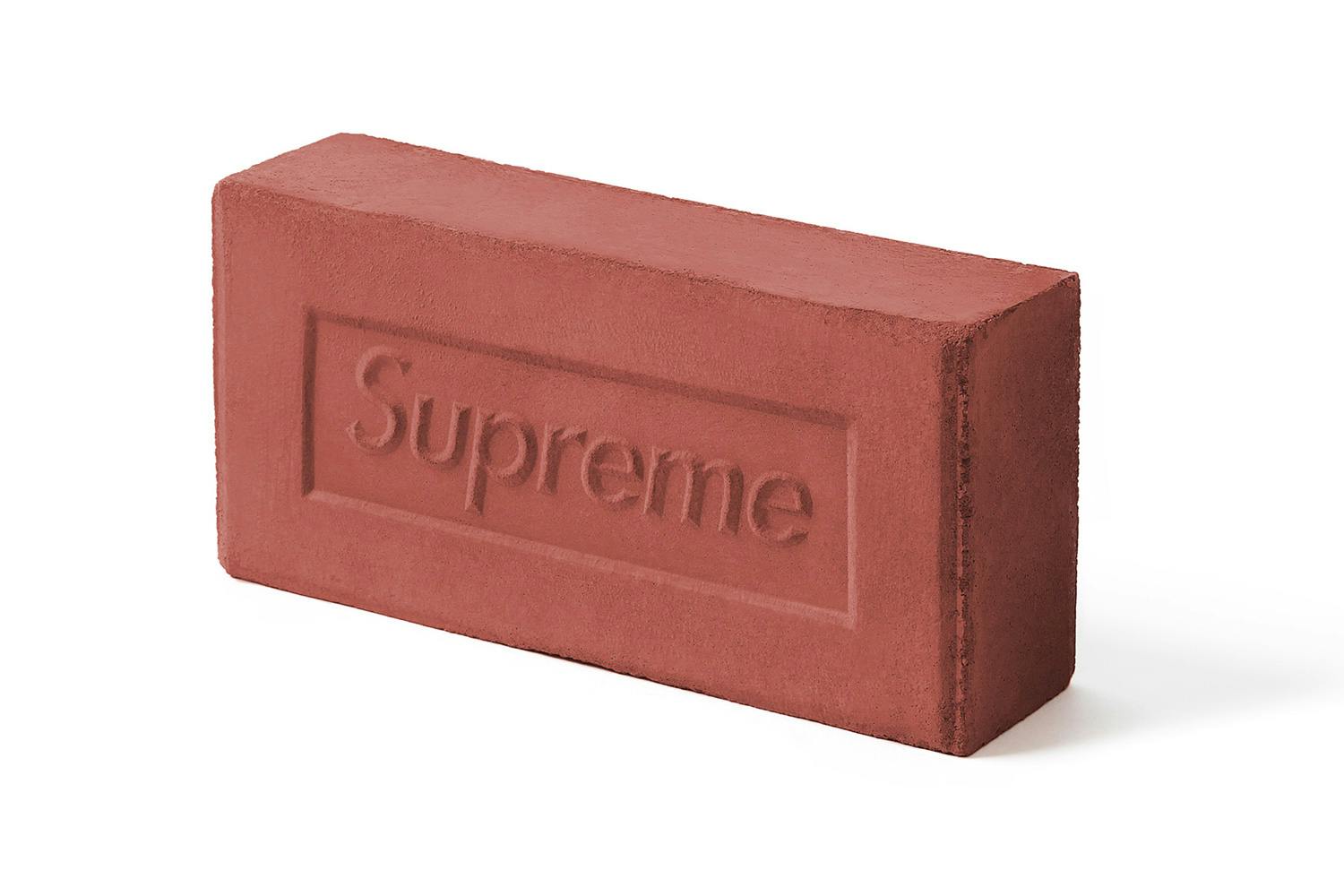
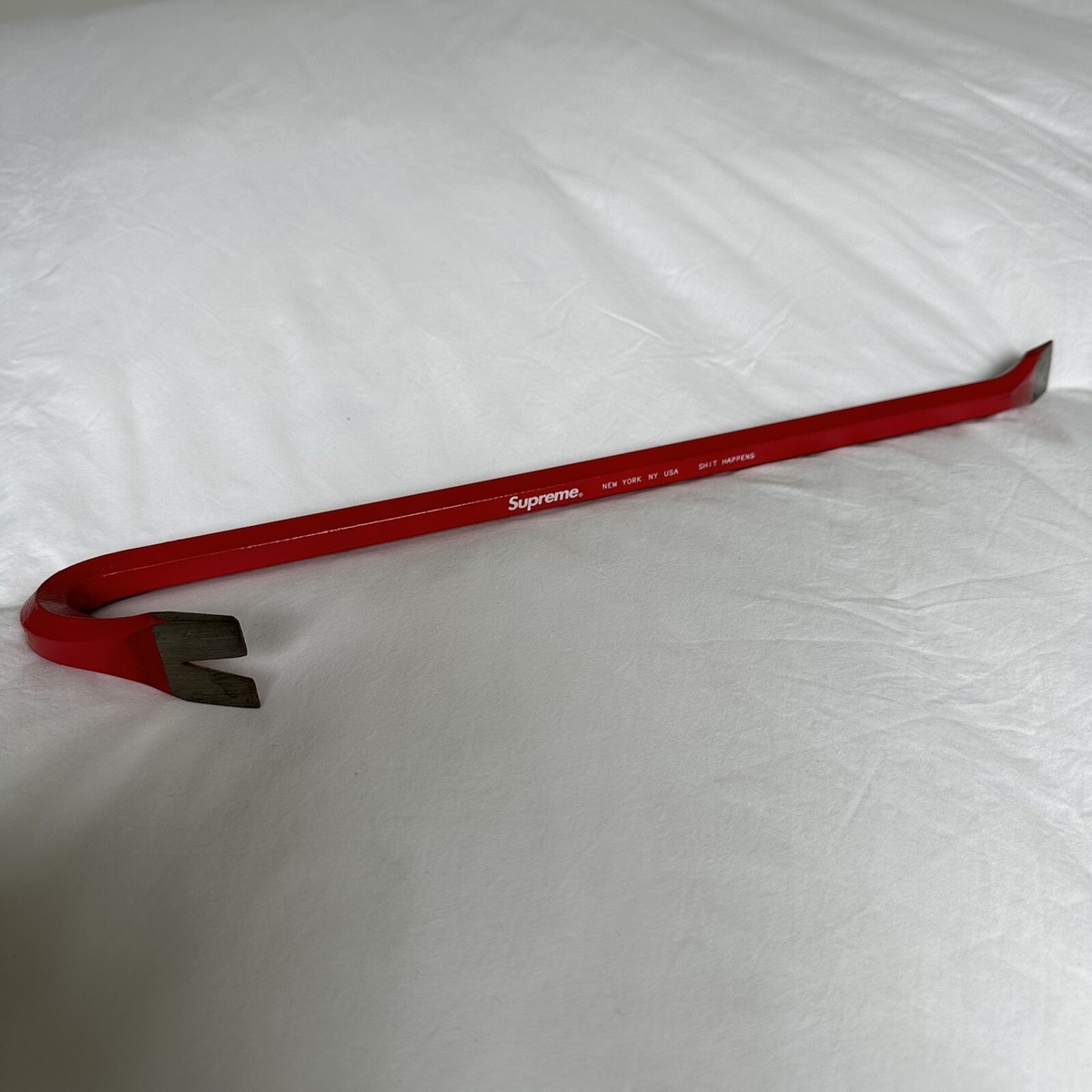
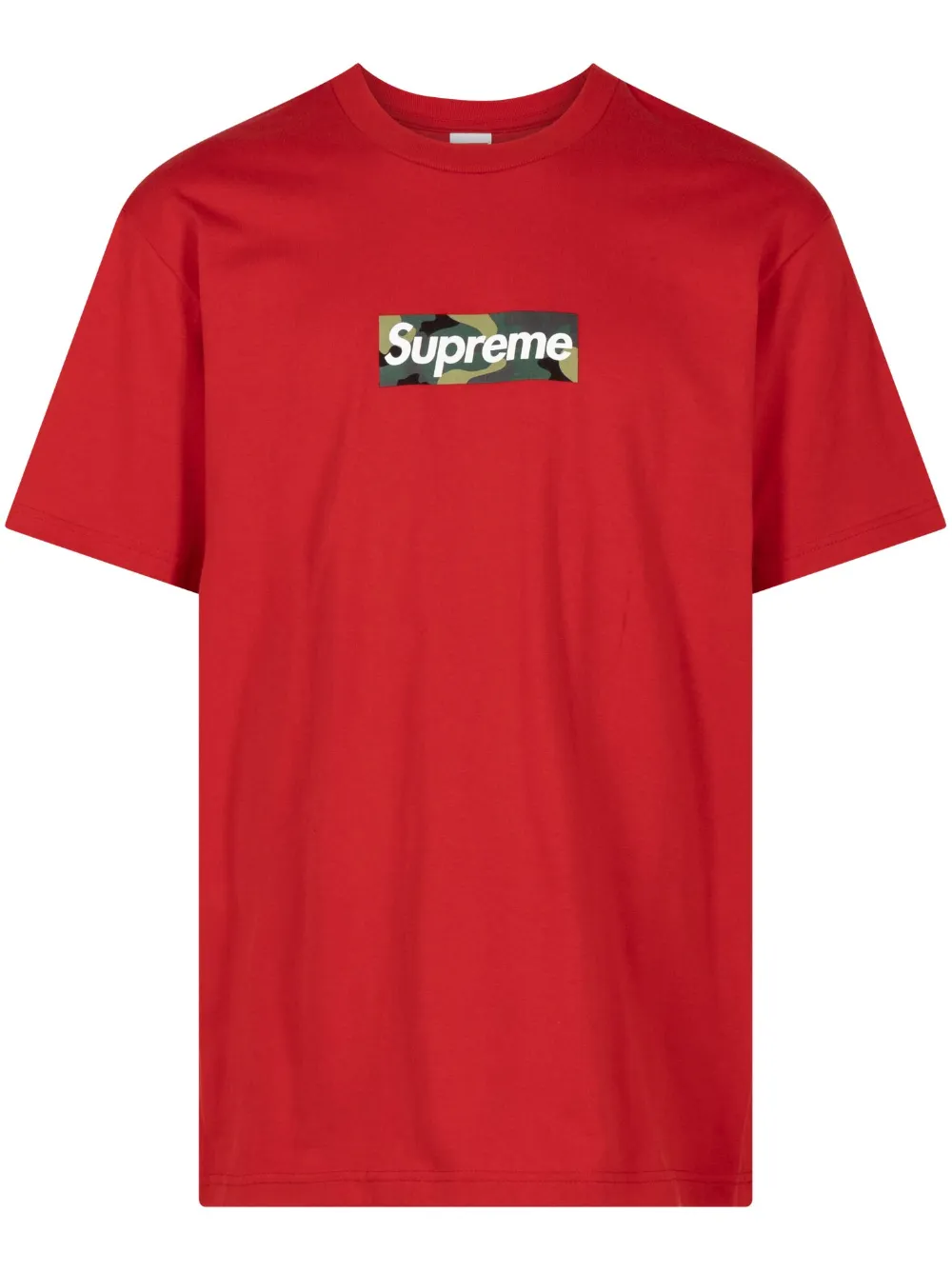
As resale prices climbed, Supreme stopped being about clothing altogether. A forty eight dollar tee that resold for three hundred dollars changed how people perceived it. It became proof that you were early, plugged in, and part of something. At one point, even absurd items like a brick or a crowbar sold out instantly. What looked like a joke to outsiders was actually a signal. The brand had become so culturally strong that it could attach value to almost anything.
4
Most companies, when faced with this kind of demand, would raise prices, increase supply, and scale aggressively. Supreme did none of that. They did not flood the market with more inventory or dramatically increase retail pricing. They did not introduce loyalty programs to capitalize on the momentum. Because doing so would have broken the system they carefully built.
Resale inflation anchored the brand’s perceived value, making retail feel fair by comparison. That gap created leverage without Supreme ever asking for it. So when Louis Vuitton partnered with Supreme years later, it was not streetwear chasing luxury. It was luxury chasing relevance.
Eventually, Supreme sold for billions. Yet on the surface, nothing fundamental changed. The same Thursday drops. The same limited quantities. The same silence. The same refusal to over explain.
Supreme’s real innovation was not just limited releases. It was building a system where the wrong people filtered themselves out, and the right people felt chosen without ever being told they were.
In a world where every brand is trying to be everywhere for everyone, Supreme proved that sometimes the most powerful move is knowing exactly who to leave out.

%20(1).jpeg)
.png)
.png)
.png)