.svg)

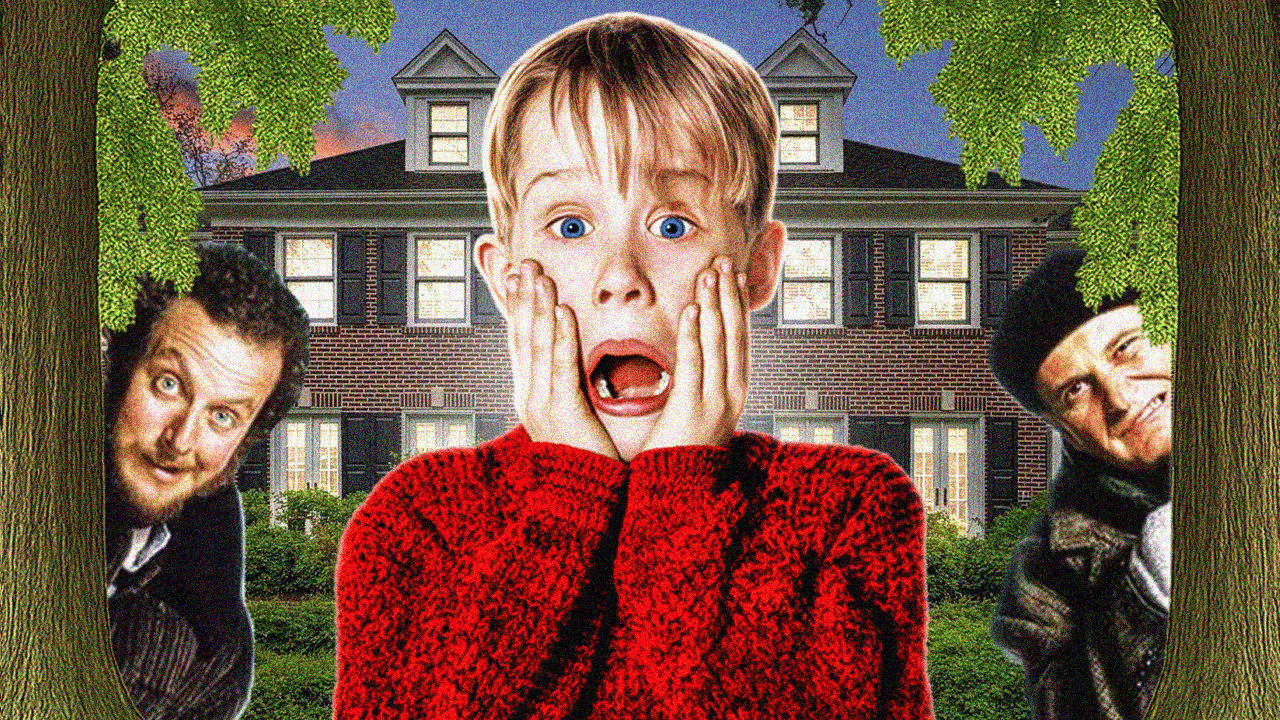
Hollywood never expected Home Alone to become anything special. It had no major stars, the lead was a ten-year-old kid, and it was scheduled to compete with movies backed by big-budget holiday marketing. On paper, it looked like a flop waiting to happen. No one imagined it would become the highest-grossing Christmas movie of all time or a tradition families still revisit every December.
It all started with John Hughes, the writer and director behind some of the most iconic films of the 1980s. He was the mind behind Ferris Bueller’s Day Off, The Breakfast Club, Sixteen Candles, and Planes, Trains and Automobiles. Hughes had a gift for capturing messy, relatable family moments long before Home Alone ever existed. In the early nineties, he sat down and wrote the entire script in just nine days.
The idea came from a simple moment at home. Hughes was packing a suitcase for his son who was leaving for college. While doing it, he imagined how empty the house would feel once his son was gone. Then he had a thought that changed everything. What if a family accidentally left their kid behind during the chaos of holiday travel? It was funny and relatable, but the studios didn’t see it that way. They thought the idea was unrealistic, too rushed, and too silly to anchor a major Christmas release.
Warner Bros rejected the movie outright. They told Hughes that nobody wanted to watch a story about a kid spending Christmas alone. The irony is that Hughes had built an entire career proving studios wrong, but even he wasn’t sure who would take a chance on this one.
At the very last moment, 20th Century Fox stepped in. Their offer came with strict conditions. They cut the budget, demanded that filming wrap faster than planned, pushed for cheaper adult actors, and insisted on releasing the movie during the most competitive time of the year. It felt like they were preparing for a failure before the cameras even started rolling.
Then came the moment that changed everything. During casting, a young Macaulay Culkin walked into the audition room. He didn’t need multiple attempts or callbacks. One audition was enough for director Chris Columbus to know that Culkin was Kevin McCallister. He had the perfect mix of innocence, humor, and confidence. The studio panicked when they heard the decision. The whole movie was now resting on the shoulders of a kid nobody knew.
Marketing the film became another uphill climb. How do you promote a Christmas movie with no stars and a lead actor who is a child? Instead of trying to hide those weaknesses, Fox leaned into them. They marketed directly to kids and made Culkin the face of the campaign. They focused on the fantasy every kid had imagined at least once, being home with no parents and total freedom. That decision changed everything.
When the movie finally opened, it shocked everyone. Home Alone earned 17 million dollars in its first weekend, more than double what the studio expected. It opened at number one and stayed there for twelve straight weeks. By the end of its run, it had made 477 million dollars worldwide. It became the highest-grossing comedy for more than twenty years and the most successful Christmas movie ever made.
For a project every major studio had rejected, it became one of Hollywood’s biggest surprise victories.
Home Alone reshaped family entertainment. It proved that a kid could carry an entire blockbuster. It changed the way holiday movies were marketed. It turned Macaulay Culkin into the highest-paid child actor in the world, earning 40 million dollars before he was even a teenager. And it cemented John Hughes as not just the voice of eighties teen films, but one of the greatest commercial storytellers in Hollywood history.
More than three decades later, Home Alone is still everywhere. It earns over 20 million dollars a year in television rights. Merch sales explode every December, and every new generation gets introduced to it like it is brand new. It has become a holiday ritual.
The craziest part is that everything the studios thought would make the movie fail ended up making it iconic. Its small budget, its simple premise, the unknown child actor, and the script written in just nine days became the exact ingredients that made it unforgettable. A small idea about a kid accidentally left behind became one of the most beloved movies ever made because the creators trusted their instincts when almost everyone else doubted them.



%20(1).jpeg)


.png)
.png)
.png)