.svg)

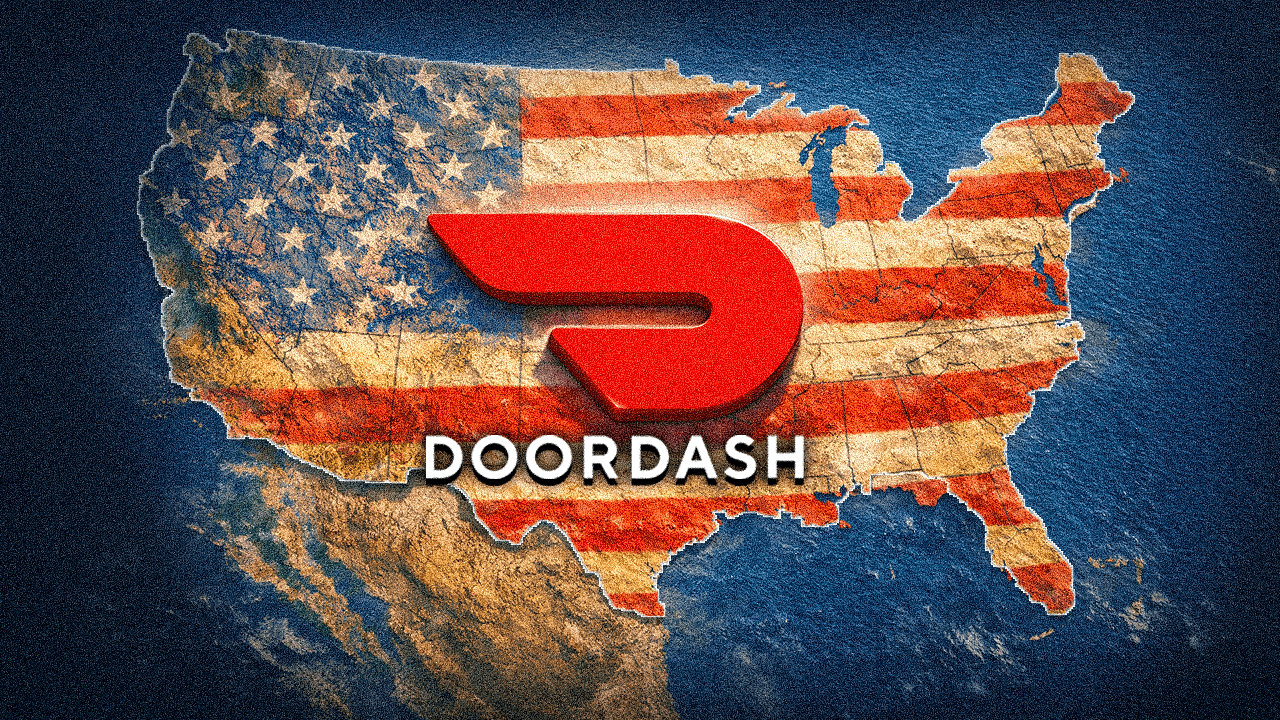
When DoorDash launched in 2013, most people assumed food delivery was a big-city game. The logic seemed obvious. More restaurants meant more customers, more orders, and more money.
But what looked obvious on the surface turned out to be the exact problem.
Delivering food in big cities is expensive. Traffic eats up time. Drivers want higher pay because the work is more stressful. Customers expect faster delivery while paying less. When you stack all of that together, margins get squeezed fast.
Instead of fighting that battle, DoorDash made a decision most competitors ignored. They went after the suburbs.
At the time, suburban areas like Long Island, Connecticut, and parts of New Jersey had plenty of families who wanted delivery, but very few good options. Larger platforms were focused on dense urban markets, leaving these areas overlooked. DoorDash stepped in, built relationships with local restaurants, and became the default choice.
That move gave them three advantages right away. Less competition. Lower operating costs. And customers who were willing to pay for convenience.
While competitors were obsessed with speed, DoorDash started paying attention to something else: customer behavior. Their data showed that after around 40 minutes, getting food a few minutes faster didn’t really change how people felt about the experience.
What actually mattered was simple. People wanted more restaurant options, accurate orders, and a service they could rely on.
So DoorDash stopped chasing the fastest delivery times and focused on consistency. They partnered with smaller, local restaurants that other platforms ignored. That expanded choice for customers and helped local businesses grow. Over time, that focus on quality built trust, and trust turned into repeat orders.
DoorDash also approached the business differently by treating everyone in the system as a partner.
Restaurants weren’t just vendors. DoorDash gave them marketing tools and delivery support to help them reach more customers. Drivers, known as Dashers, were given flexible work and better earning opportunities. And customers got variety and reliability instead of constant tradeoffs.
Behind the scenes, DoorDash invested heavily in operations. They built systems that could predict when demand would spike, making sure drivers were positioned in the right places at the right times. They optimized routes to save minutes on each order, cutting costs without cutting quality.
While competitors were busy fighting price wars and rushing orders out the door, DoorDash quietly built an operation designed to scale.
By 2020, that strategy paid off. DoorDash was handling over half of all food delivery orders in the United States, overtaking Uber Eats, Grubhub, and Postmates.
They didn’t win by being the cheapest or the fastest. They won by going where others weren’t looking, focusing on what customers actually cared about, and thinking long term.
Today, DoorDash continues to grow beyond restaurants into groceries, convenience stores, and more. With hundreds of thousands of merchants on the platform and billions of orders each year, the same strategy is still working.
The real lesson here isn’t just about food delivery. It’s about competition. You don’t have to beat giants at their own game. You just have to find the gaps they ignore and build something better there.


%20(1).jpeg)

.png)
.png)
.png)